A Text Book of Chemical Ecology and Environment
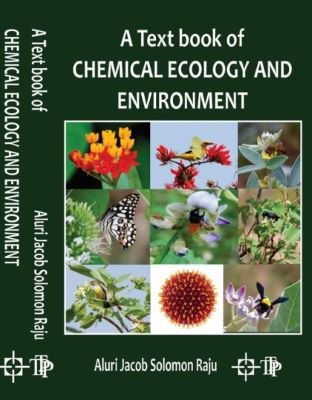
Contents: 1. Definition, scope and importance of chemical ecology. 2. Primary metabolites. 3. Secondary metabolites. 4. Semio-chemicals. 5. Air pollution. 6. Heavy metal pollution – effects on plants and animals – clean-up of heavy metals. 7. Biogenic volatiles and their role in ecological interactions. 8. Atmospheric carbon dioxide concentrations: Plant-insect herbivore interactions. 9. Soil chemical ecology: Allelopathy and allelochemicals. 10. Weed chemical ecology. 11. Chemical defense in organisms of terrestrial and aquatic environments. 12. Drought impacts on chemical ecology plants. 13 Plant-pollinator interactions – Wind pollination and water pollination, biotic or animal pollination: Chemical ecology of beetle pollination, fly pollination and ant pollination. 14. Chemical ecology of plant-bee interactions and bee-pollination. 15. Chemical ecology of plant-wasp interactions, larval hosts and wasp-pollination. 16. Butterflies – Classification and Chemical ecology of larval host plants, floral resources and pollination. 17. Moths – Classification, Chemical ecology of larval host plants, floral resources and pollination. 18. Chemical ecology of plant-thrips interactions and thrips-pollination. 19. Chemical ecology of plant-bird interactions and bird-pollination. 20. Chemical ecology of plant-bat interactions and bat-pollination. 21. Chemical ecology of floral rewards, microbial contamination, pollinators and air pollution impacts on microbes of floral rewards. 22. Chemical ecology of fruit and seed defense. 23. Phytoliths as chemical defenses in vascular plants. 24. Volatile trees, air pollution and air quality. 25 Global climate change, plant-insect interactions, insect pests and crop production.
Chemical ecology is increasingly recognized as a vital, mature, and rapidly growing scientific field that investigates how chemical mediate interactions between organisms and their environment. Once focused primarily on plant-insect interactions, this field now spans all life forms and ecosystems, bridging fundamental research with sustainable practical applications, particularly biodiversity preservation, pest management and mitigating the impacts of climate change and anthropogenic pollution. Further, this field is actively expanding into new areas like micro-biomes and climate change mediated interactions between plants and animals. Keeping the importance of chemical ecology as the language of life in view, the author has produced this text with a consilient perspective to refocus attention at the exciting interfaces and endless interactions, both positive and negative, among diverse plants and animals in nature. This text is presented not just as a special subject but as the foundational chemistry mediating ecosystem structure, biodiversity, and evolution. It demonstrates that chemical ecology is not just a study of molecules but a critical multi-disciplinary approach to understanding life on Earth. The text begins with the definition, scope and importance of chemical ecology. Then, it sequentially introduces the subject detailing the primary metabolites, secondary metabolites, semio-chemicals, air pollution, heavy metal pollution (effects on plants and animals – clean-up of heavy metals), biogenic volatiles and their role in ecological interactions, atmospheric carbon dioxide concentrations and their impacts on plant-insect herbivore interactions, soil chemical ecology (allelopathy and allelochemicals), weed chemical ecology, chemical defense in organisms of terrestrial and aquatic environments, drought impacts on chemical ecology of plants, chemical ecology of plant-pollinator interactions and larval host plants of wasps, butterflies and moths, floral rewards, microbial contamination, air pollution impacts on microbes of floral rewards, and fruit and seed defense, phytoliths as chemical defenses in vascular plants, volatile trees, air pollution and air quality, global climate change, plant-insect interactions, insect pests and crop production, effects of climate extreme conditions on plant chemical composition, micro-plastics and their effects on plant growth, plant community, litter decomposition and soil microbial community, chemical ecology of urban airborne bio-pollution and forensic chemical ecology. Lastly, the text presents the importance of remote sensing and geographical information systems in chemical ecology. The text is written based on all pertinent references and includes 91 figures.
Besides its overall utility for all biologists, chemists, soil scientists, ecologists, environmental scientists, this textbook would serve as a balanced undergraduate/graduate subject for integrated and non-integrated courses in general biology, plant science, animal science, chemistry, ecology, insect science, ornithology and forensic science. Further, this text should be of special interest to foresters, physiologists, pathologists and population biologists.
