Child Labour Problems in Scheduled Castes and Tribes
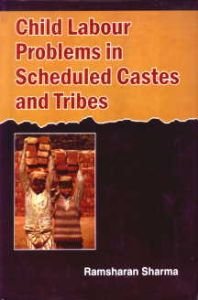
Contents: Preface. 1. Trends in literacy rate and schooling among the scheduled caste. 2. Staying poor: chronic poverty and development policy. 3. About end child exploitation. 4. Critical analysis of the situation of children in India. 5. Impact of discrimination on children and on the phenomenon of child labour. 6. Will Ban on child labour. 7. Child labour in rural areas focus on migration, agriculture, mining and brick kilns. 8. Dalits on the margins of development. 9. Where children work child servitude in the global economy. 10. The role of trade unions in child labour eradication. 11. Child prostitution in India. 12. Should we boycott child labour.
The ILO reports that 90% of boys and girls between 10 and 14 years old earn less or the same income as the statutory minimum wage and that half of the child workers in the region have no income at all and consequently fall in the category of non paid family work. In the region, a high concentration of child labor has been found in hazardous or extreme activities or occupations, such as small-scale mining, brick making, solid waste collection, commercial agriculture using agrochemicals and commercial sexual exploitation, all of which may have serious effects on their lives and cause them physical and psychological damage. In this book author clear the problems of scheduled castes and tribes children who is suffering from the poverty. The book contents are given below." (jacket)
