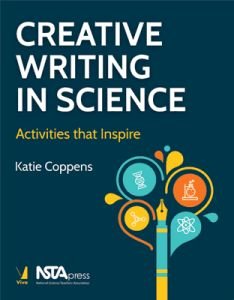
Creative Writing in Science: Activities that Inspire
Contents: Introduction. 1. Why Write Creatively in Science? 2. Scoring Student Writing. 3. Format. Life Science Activities: 4. Every Tree Is a Character. 5. Postcard From a Biome. 6. Travel Blog About the Digestive System. 7. Phytoplankton Comic. 8. Motivational Speech by a Part of a Cell. Earth and Space Science Activities: 9. Group Poem. Earth’s History. 10. Presenting … the Rock Cycle! 11. Sci-Fi. What Would the World Be Like If the KT Asteroid Had Never Hit? 12. Packing List for the Planets. 13. Letter From the Moon to Earth. Engineering and Physical Science Activities: 14. Interview With an Atom. 15. Instructional Manual. How to Fly. 16. Skit. Newton’s Laws. 17. Do I Matter? Water’s Diary. 18. Engineering Editorial. Appendixes. Index.
“This volume answers the main question of the book The Two Cultures by C. P. Snow, first published in 1959, which was how to respond to the wide gulf between science and English literature. By following the ideas well expressed in this creative volume, a student can develop better writing skills and learn the science involved along the way.”
Do you ever feel like your science classes could use a shot of imagination? Boost the creativity quotient by assigning a travel blog about the digestive system, a packing list for the planets, or an interview with an atom. You’ll inspire students to be better writers while you enjoy new strategies to assess their scientific understanding. That’s the idea behind Creative Writing in Science. This classroom resource book features activities that integrate writing with content in life science, Earth and space sciences, and engineering and physical sciences for grades 3-12.
You can tell a teacher wrote the book because it’s so flexible and classroom friendly. Each of the 15 science activities comes with strategies for teaching a creative writing style, whether prose or poetry. The assignments work as in-class activities, homework, or final assessments for a unit. Also included are reproducible handouts, graphic organizers, writing models, scoring rubrics and connections to the Next Generation Science Standards and Common Core State Standards. See for yourself how rewarding it can be to combine two vital subjects into one class. Get your students started on their phytoplankton comic right away!
