Heavy Metals in Soils and Plants
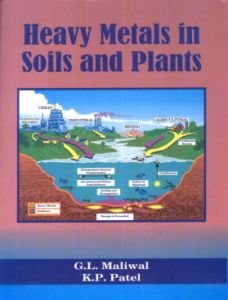
Contents: Preface. 1. Introduction. 2. Chemical Behaviour of Heavy Metals. 3. Heavy Metals contamination in soil. 4. Soil-Plant Relationship. 5. Heavy Metals contamination in water. 6. Remediation of Heavy metals contaminated soil and wastewater for agriculture use. Appendix. Index.
The wastewater generated from urban industries contain heavy metals depending upon their source of generation. Water is becoming a scarce commodity even for irrigation purpose when its present share of 85% of available water resources is likely go down to 68% by 2050. under this situation, the farmers have to use such wastewaters for irrigation.
Heavy metals are among the most dangerous contaminants of environment. The accumulation of heavy metals in various human or animal organs leads to various diseases. The heavy metals have presented a danger to living species, Cd, Cr and Pb need special mention. Since soil can no longer bear a greater loading of these metals vegetation can be the only means to extract and reduce toxicity of heavy metals. But this reduction in soil might increase concentration in animals and human beings. Therefore, there is need to understand nature of metals, the way they become absorbed, the amounts needed and the toxic levels.
While choosing the subject matter and problem, emphasis has been given to adsorption, solubility of metals in soil, contamination in soil and underground water, soil-water-plant relationship includes soil and plant factors affecting uptake, bioavailability of heavy metals and their impact on crop production as well as uptake and biotransformation in animals, human beings and aquatic life. Remediation techniques are discussed at the last.
It is hoped that the book will prove very useful to students, teachers, researchers, extension workers, planners and administrates. (Jacket)
