Indo SAARC Trade : Emerging Trends and Potential
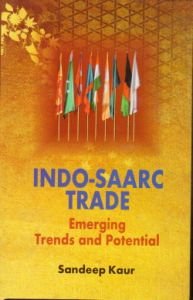
Contents: Foreword. Preface. 1. Introduction. 2. Regional integration: building blocks or stumbling blocks. 3. SAARC and regional integration schemes: studies made. 4. Trade among SAARC countries: data base and methodology. 5. Production and trade structure among SAARC nations. 6. Indo SAARC trade: trends and growth. 7. Static and dynamic effects of SAARC. 8. A gravity model analysis of India\'s export potential to other SAARC countries. 9. Conclusions and implications. Bibliography. Index.
The dramatic surge in regional integration schemes over the past two decades has been one of the most important developments in world politics. Virtually all countries are now members of at least one regional grouping. South Asia is no exception to this trend. In December 1985 seven South Asian countries came together to establish South Asian Association for Regional Cooperation SAARC to address issues of peace and development in the region. The share of SAARC in world exports is minimum as compared to other regional trade blocks. In this context this book has explained the reason of low intra-regional trade among SAARC regions by studying their complementarities in production and trade. Besides the theoretical issues of regional bloc, it also examines the static and dynamic effects of SAARC in empirical manner. Moreover it also explores the export potential of India with SAARC countries. Thus this book sheds new light on the trade trends in South Asia today and provides important information on the trade potential for regional cooperation in future years.
This book will be very useful for researchers and policy makers. This will also cater to the need of post graduate students to study the trends and potential of Indo-SAARC trade. (jacket)
