Karunda: The Vanished Empire
Contents: 1. The Naga Dynasty of Karunda-Chakrakota Since C. 1060 A.D. 2. The Last Maharaja of Karunda the Vanished Empire. 3. The Shape of the Brahman. 4. The Vanished Yoni Rituals of Karunda. 5. The Unique Sixtyfour Yogini Cult of Karunda. 6. The Sword of Asurgarh. 7. The Cave Paintings of Karunda and its Affinity with Underwater Dwaraka. 8. The Riverine and Maritime Trade of Madanpur- its Relation with Kalinga and South-East Asia. 9. Reflection of Budhigarh. 10. The Knobbed Wares of Budhigarh and the Rituals. 11. The Buddhism in Budhigarh. 12. The Saivism in Kamalavana. 13. Bhairava in the Saktism of Karunda. 14. Urlukupagarh Reveals.
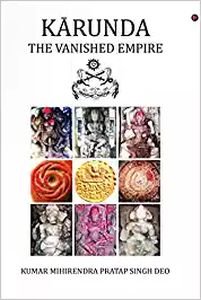
Karunda The Vanished Empire reflects the history of Karunda-Chakrakota (Kalahandi and Bastar State), the virgin land of history and archaeology. The book involves thirty-five years of research work with new historical facts, interpretations of history and the archaeology of Karunda. The Cave Paintings, the Legends of the Stone Seals and the Gold Coin are deciphered by the author and reflected with new interpretations. The ultimate Shape of the Lord Jagannath has been proved archaeologically in 'The Shape of the Brahman'. 'The Vanished Yoni Rituals' is a study on ethno-archaeology. 'The Riverine and Maritime Trade of Madanpur - its Relation with Kalinga and South-East Asia' reflects a new hypothesis and archaeologically proves that the hinterland of Kalinga had a riverine and maritime trade relation with South-East Asia. 'The Sword of Asurgarh' is a comparative study with the fort of Qatna near Babylon. The book attempts to decipher the mysterious rituals of the Sixty-Four Yogini Cult and it concludes with the secret rituals of the Stonehenge in UK. The cultural heritage of Karunda reflects the existence of Buddhism and the influence of Tantric Ritual.
