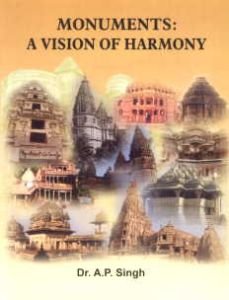
Monuments : A Vision of Harmony
Contents: Preface. 1. Geographical expanse: i. Ancient routes. 2. The monuments: i. Secular architecture forts and palaces. ii. Cultural centers of India. 3. Historical background and architectural features of the monuments: i. Protohistoric remains. ii. Historic remains. iii. Development of style of temples. iv. Site of early Chalukyan Temple (C 500-750 A.D.). v. The Pratihara Temple of Central India. vi. Temples of Western India. 4. Art and architectural disposition of Medieval monuments of Central India: i. Ajanta Caves. ii. Art and architecture of Candella Period. iii. Shikhar type of temples are a like Kailash Mountain. iv. Temple of Dwaraka. v. Southern region. vi. Features of Southern Temples. vii. Islamic monuments of India. viii. Mughal Region. ix. Secular monuments. 5. Epilogue. Select bibliography. Index.
"India\'s vast cultural heritage is scattered all over the country, and the unique gilt to the world are the ancient monuments.
Right from the prehistoric period to the modern times, these monuments have played a vital role in building up the glorious history of India, a vision of Harmony.
The design and art architecture of the monuments viz; the Temples, Tombs, Mosques, Forts, Palaces etc. are governed by the topography of the region, besides strategic importance like commanding sites, supply, routes, approach etc.
The book is divided into several chapters dealing with the geography and topography of the region viz; North and Central India, South India, East and West India, historical background, a brief history of art and architecture of monuments in India in general and central India in particular.
The work has been very well illustrated with a few ground plans of monuments. A number of photographs add to the pictorial value of the book." (jacket)
