Muslin
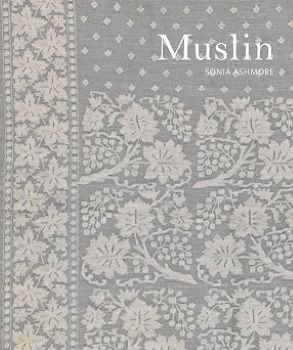
The cloth that clothed Empires—A legend
Explores the global history of muslin, from ancient Bengal to its place in international trade and empire. Showcases rare muslin and jamdani textiles from the Victoria and Albert Museum, highlighting their artistry and craftsmanship. Examines the cultural, political, and economic forces that shaped muslin’s rise, decline, and lasting legacy as one of the world’s most celebrated fabrics.
Muslin is a fabric of almost mythical reputation. Renowned for its extraordinary fineness, it was described in the seventeenth century as “the shadow of a commodity”, a phrase that captures its almost weightless, translucent quality. Yet behind its delicate beauty lies a more complex story, woven into the history of the East India Company, imperial trade, and colonial power.
An open-textured cotton cloth, muslin was woven to varying degrees of fineness depending on the quality of the yarn and the exceptional skill of its spinners and weavers. The name “muslin” is often attributed to the Venetian traveller Marco Polo, who linked it to the textile trade of Mosul in present-day Iraq, a major centre connecting India and the Mediterranean. Although this origin remains debated, the fabric itself has been associated with Bengal since ancient times, where it was known as mull or mulmul.
Drawing on the remarkable collections of the Victoria and Albert Museum, this book presents these exquisite textiles while exploring their rich cultural history, craftsmanship, and enduring legacy.
