Nalanda (3 Vols-Set)
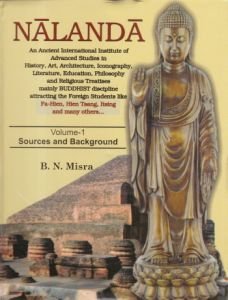
Contents: Vol. 1: Sources and Background: Part I: Sources: 1. Introduction. 2. Sources. 3. Exploration and excavation. 4. Inscriptions, sculptures, coins, pottery and architecture. 5. Pali, Prakrit and Sanskrit texts. 6. Chinese records. 7. Tibetan accounts. 8. South-Asian accounts. 9. Modern research works. Part II: Background: Section A:- The History of Nalanda and its Patrons: 10. Introduction. 11. History of Nalanda. Section B:- Nalanda: An International Centre of Education for Art, Iconography and Architecture: 12. The University. 13. The teachers and the students. Section C:- Religious and Philosophic Background for the Art, Iconography and Architecture of Nalanda: 14. Religious background. 15. Philosophic background. Select bibliography with abbreviations. Index.
Vol. 2: Art: Preface. 1. Introduction. 2. Nalanda Art: Its sources and contacts. 3. Chronological and stylistic development of sculptures. 4. Other aspects of the sculptures. Select bibliography with abbreviations. Photo credits. Index.
Vol 3: Iconography and Architecture: Preface. Part I: Iconography. 1. Introduction. 2. Buddhists. 3. Hindu. 4. Jaina. Part II: Architecture: 5. Introduction. 6. The Monasteries. 7. The Temples. 8. The Stupas. 9. Other monuments and allied aspects. 10. Some other architectural items (Stupas). 11. Levels of occupations in Monasteries. Part III: Conclusion: 12. Background. 13. Art of Nalanda. 14. Iconography of Nalanda. 15. Architecture of Nalanda. Select bibliography with abbreviations. Photo credits. Index.
Nalanda is the first book of its kind prepared on nearly all the important aspects of Nalanda Sources, History, Education, Religion and Philosophy, Art, Iconography, Architecture etc. It Excels all other such publications in this respect. A peep into his book means a pilgrimage to all the leading centres of Magadhan an Indian Art. It gives a graphic picture of the conditions of Buddhism as it prevailed in Eastern India from beginning to end.
This monumental book is the result of the painstaking research work by the Author for a number of years and is presented in three volumes: Sources and Background, Art, Iconography and Architecture respectively.
The first volumes gives a complete picture of the rich materials concerning Nalanda as hitherto published and as collected and unearthed at Nalanda. It consists of (a) historical, (b) educational and (c) religion and philosophic aspects of Nalanda.
The second volume is devoted to the Nalanda Art. It is closely interwoven with the neighbouring centres of art in Magadha and closely connected with the art centres of the outside world, thus playing a leading role for the last 1000 year of Indian art in a coherent constructive manner.
The third volume is presented in three parts. Part 1 places before the reader a connected account of the iconography in relation to other Indian and foreign art centres, while Part II describes the architecture of the monasteries, the temples, the stupas and other monuments and allied aspects. Part III gives in nutshell the special features of all the volumes on Nalanda.
This book is meant for all those who desire to know in detail the history and culture of Nalanda or any subject as given above. The author has presented to the readers a verified and reliable factual account of Nalanda in all its spheres. (jacket)
