Pavement Evaluation and Maintenance Management System
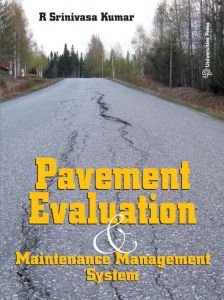
Contents: Preface. Pavement types and their functional aspects. 1. Introduction to pavement evaluation. 2. Introduction to functional evaluation of pavements. 3. Pavement roughness measurement systems. 4. Contact type equipment (Part 1). 5. Contact-type equipment (Part 2): Response-type road roughness measuring system (RTRRMS). 6. Introduction to non-contact type profilers (Part 1). 7. Non-contact profilers (Part 2): High-speed profilers. 8. Non-contact rofilers (Part 3): Lightweight profilers. 9. Statistical considerations. 10. Introduction to frictional evaluation of pavements. 11. Pavement surface texture. 12. Friction measurement methods (Part 1). 13. Friction measurement methods (Part 2). 14. Wet pavement friction models. 15. Pavement friction management system (PFMS). 16. Methodology for design and maintenance of pavement friction courses. 17. Distress surveys and maintenance alternatives for asphalt concrete pavement . 18. Distress surveys and maintenance alternatives for Portland cement concrete pavement . 19. Structural evaluation of pavements using Benkelman beam and falling weight Deflectometer. 20. Structural evaluation of unbound granular and sub-grade layers using dynamic cone Penetrometer (DCP). 21. Structural evaluation of pavements using heavy vehicle simulator (HVS). 22. Ground penetrating radar (GPR): An effective NDT tool for pavement evaluation. 23. Pavement drainage design. 24. Pavement condition rating methods. 25. Pavement maintenance management system (PMS). References. Appendix. Index.
The role of properly timed and qualitatively controlled rehabilitation and maintenance measures in preserving a pavement’s surface quality and ensuring that the structure lasts in serviceable condition through its design life and beyond is well recognized. This book explores the methods of structural and functional evaluation of flexible and rigid pavements for gathering critical data on the condition of pavements to enable strategic decision making with regard to rehabilitation/maintenance measures under budgetary constraints. It provides detailed descriptions of the state-of-the-art equipment/ devices/techniques used in these evaluations for determining parameters of relevance such as road roughness, skid resistance and existing strength of pavements. Several solved examples are included in the book to give readers a hands-on approach on the various techniques of measurements and evaluation of pavement condition. The significance of a pavement management system in providing a systematic, efficient, consistent and cost-effective decision making mechanism for optimising the maintenance of road networks is explored in detail along with implementation aspects.
