Saluvankuppam Excavations 2005-07
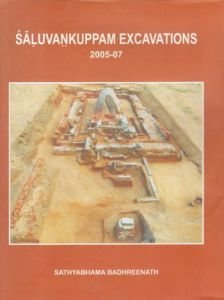
Contents: Foreword. Preface. 1. Introduction. 2. The site and its environs. 3. Historical background. 4. Excavations. 5. Ceramic assemblage. 6. Other finds. 7. Inscriptions. 8. Technical report. 9. Conclusion. Appendices. Bibliography.
From the foreword: Temples form an important component in the tangible heritage of India and have been studied for their architecture, sculpture and also for their religious, social and economic impact. The material of construction and the skills of engineering are other fields of study.
Temples in perishable materials like brick, timber and mortar existed is clear from the inscription of Mahendravarman I of the Pallava dynasty in the Mandagapattu cave temple in Villupuram District, Tamil Nadu and also from the Sangam classics.
To a large extent, the Pallavas of Kanchipuram were the forerunners in the experimentation and development of temple architecture in Tamil Nadu and most of their pioneering efforts are to be seen in present Kanchipuram district. While it was known through inscriptions that some of the brick temples were converted into stone, no temple constructed of brick had been reported.
The tsunami of 2004, which struck the coast of South India uncovered an inscription and indirectly, a temple constructed of brick. This temple of brick at Saluvankuppam near Mamallapuram has been diligently exposed despite being buried in sandy soil. The type of construction, the spatial growth of the temple, the inscriptions, the terracotta and pottery found at this site have been systematically studied.
