Sweet Sorghum : Production, Processing and Utilization
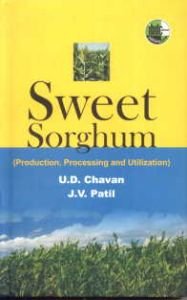
Contents: Preface. 1. Introduction. 2. Desired characteristics of sweet sorghum cultivars. 3. Comparative characteristics of sweet sorghum and sugarcane. 4. Land preparation for sweet sorghum cultivation. 5. Time for sowing. 6. Intercultural operations. 7. Irrigation management. 8. Maturity and harvesting of sweet sorghum. 9. Effect of delay in harvesting and storage period on cane yield and juice quality. 10. Utilization of sweet sorghum as a fodder. 11. Cost of cultivation of sweet sorghum. 12. Crushing of sweet sorghum canes for juice extraction. 13. Preparation of syrup from sweet sorghum juice. 14. Cost of syrup and jaggery preparation from sweet sorghum. 15. Preparation of jaggery from sweet sorghum juice. 16. White sugar production from sweet sorghum. 17. Malting of sorghum. 18. Use of sweet sorghum in brewing industry. 19. Starch and Maltodextrin from sorghum. 20. Production of high fructose syrup from Sorghum starch. 21. Production of Sorbitol from sorghum starch. 22. Ethanol production from sweet sorghum juice. 23. Evaluation of different yeast strains and sweet sorghum genotypes for ethanol production. 24. Economics of Ethanol production from sweet sorghum. 25. Utilization of Sweet Sorghum Bagasse. 26. Future lookout for sweet sorghum. 27. Ethanol/alcohol fuel production from agricultural produce. 28. Bio-ethanol production. 29. Future lookout for bio-ethanol production. 30. Biotechnology in bio-ethanol production. 31. Industries and firms. 32. References. Appendices. Index.
"During last decade the Kharif season sorghum is often vulnerable to rains gets deterioration due to mold attack and becoming red or black grains because of the occurrence of rains during Kharif season. Due to the rainy season, water accumulation occur in the glumes, which dissolve the pigmented material and spread over all grains. Due to moist conditions, grains are attacked by various types of fungus growth. Therefore, such types of sorghum grains become unfit for human consumption. This results into the loss of income from sorghum to the farmers.
Such type of problems can be overcome by developing new genotypes, which will be resistant to grain mold. Sweet Sorghum cultivation in Kharif season is another solution over grain mold susceptible cultivator of Sorghum. Sweet Sorghum is capable of producing high biomass, good quality fodder, stalk can be utilized for the production of juice that can be utilized for the preparation of syrup, jaggery, fructose/glucose syrup or bioethanol. These value added products of sweet sorghum gives higher returns to the farmers. The information regarding production, processing and utilization of sweet sorghum is not available in the form of book. Therefore, the authors have tried to put up-to-date scientific information on "Sweet Sorghum" (Production, Processing and Utilization) in this book. The information given in this book will be helpful to the farmers, industrialists, scientists as well as the students in the field of agriculture."
