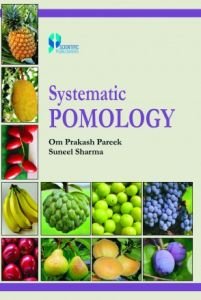
Systematic Pomology (2 Vols-Set)
Contents: Vol. 1: Preface . Introduction. I. 1. Description of plant characters. 2. Plant Identification. 3. Nomenclature. 4. Classification. II. Gymnospermae (Gymnosperms): 5. Ginkgoales. 6. Pinales.Family Pinaceae. 7. Gnetales. III. Magnoliopsida (Angiospermopsida) Angiosperms: 8. Nymphaeales. 9. Magnoliales. 10. Laurales. Liliopsida (Monocotyledons; Monocots; Monocotyledonae: 11. Alismatales. 12. andanales. 13. Arecales (Palmales). 14. Zingiberales. 15. Poales. 16. Ranunculales. 17. Proteales. 18. Dilleniales. 19. Saxifragales. 20. Vitales. 21. Zygophyllales. 22. Fabales. 23. Rosales. 24. Fagales. 25. Cucurbitales. 26. Oxalidales (Connarales). 27. Malpighiales.
Vol. 2: Malvids: Eurosid II: 28. Myrtales. 29. Sapindales. 30. Malvales. 31. Brassicales (Capparales). 32. Santalales. 33. Caryophyllales. 34. Cornales. 35. Ericales. 36. Rubiales (Gentianales). 37. Boraginales. 38. Solanales. 39. Lamiales. 40. Dipsacales. References. Glossary. Subject Index.
The book is aimed to be a treatise on the ‘Systematic Pomology’, the primary component of science of fruits, dealing with identification, nomenclature and classification of fruit species based on the descriptions of characteristics related to their morphological, genetical, physiological, biochemical, biotechnological and eco-attributes. Besides taxonomic narrative of each species under the respective orders and genera, considerable emphasis has been laid on cultivars. The treatment is based on the latest version of Nomenclature and Phylogenetic System of Classification (APG III). The book is richly illustrated with diagrams and colour plates and carries fairly exhaustive bibliography and glossary (jacket).
