The Buddhapada Type Gold Coins
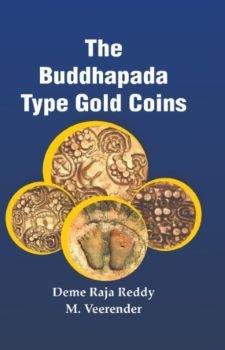
The coinage was invented in India around 6th-7th century B.C. and it was the 'Jana padas' that issued such coins for the first time. These coins were made of silver and contained only symbols. The symbols were marked on them by punching method without any legends. Some of the Jana padas which were scattered around the country issued such coins of varying weights, sizes and symbols. Magadha started as a Jana pada and issued local Jana pada type of coins first. Later it conquered adjacent Jana padas to become an imperial power and issued first national currency of uniform weight of 3.4 grams (32 ratties) with five symbols that included sun and six armed marks on the obverse side and these coins came to be known as Imperial type of punch marked coins. Reverses were blank on these coins except for some marks known as banker's marks on them. Magadha was succeeded by Nanda and Maurya dynasties and they too issued imperial type of punch marked coins. After the disintegration of Mauryan Empire many dynasties ruled successively in different parts of the country and issued coins first by casting method and later by die-strike method and they contained symbols and in addition displayed legends. The coins with the legends indicating the name of the issuer and sometimes the name of the dynasty appeared in the country around 2nd-3rd centuries B.C. Punching method of making coins was too laborious and this method gave way to casting method and later to the die-striking technique. Die-strike method continued till the medieval period when many dynasties that ruled Deccan issued gold and silver coins by reviving the punching method of making coins again. Imperial type of punch marked coins had about three hundred symbols and they included religious marks too on some of them. 'Paduka Vandana' which is the worship of feet of Lord Buddha started off in India early even before Asokan times (Gangoly 1973). The discovery of 291 gold coins in a hoard that included 288 gold coins of Padas' type coins from a village in Mahbubnagar district of Telangana in 1971 was a very unique and interesting find and they are described in this monograph.
