The Evolution of Indian Classical Art
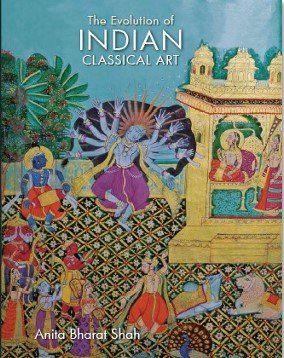
Contents: 1. Introduction. 2. Legendary Bharat Muni's Theory of Aesthetics and the Theory of Rasa. 3. The Vastusutra Upanishad. 4. Symbols and Forms in the Vedic Period. 5. Advent of Saguna Bhakti, Iconic Worship and Classical Indian Art. 6. Creation of Rupa or Form and its Relation to Shabda and Artha (Words and Meaning). 7. Rupa Brahman: Shabda, Rupa and Artha. 8. The Evolution of the Theory of Rasa. 9. The Evolution of Aesthetic and Rasa Theories. 10. Visionary Shri Vallabhacharya. 11. The Threads of Continuity in Classical Indian Tradition. Endnotes. Bibliography. Acknowledgements. Index.
Indian art, deeply rooted in philosophical and spiritual thought, reflects a quest for the self. This book reveals how Indian classical art—across fine arts, performing arts, and temple architecture—draws from Vedic concepts that represent unity in diversity. Yagna, as an intangible art form, evokes bhava and Rasa through incantations, leading to deeper understanding when the mind focuses on the mantra’s meaning. The artist translates this mystery into a visual language, creating a journey from Vedic Shabda through Natya and Vastusutra Upanishad to lived devotional practice. While Natya unfolds in time, the Vastusutra Upanishad inscribes it in space.
