Unique Countermarks on Ancient Coins
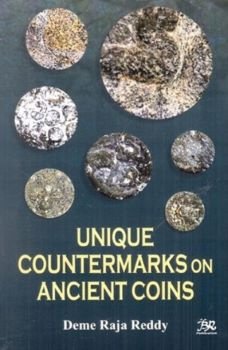
The origin of coins in India dates back to the 6th and 7th centuries B.C., when local janapadas in various regions issued their first coins. This was followed by the introduction of national coinage during the Magadha, Nanda, and Mauryan periods. Indian coinage has spanned over 2700 years, and its study has revealed that it developed its own language. Countermarks are seen when a victorious king puts his name or mark on the coins in circulation of the defeated king. Gautamiputra Satakarni counterstruck coins of the Western Kshatrap king Nahapana after defeating him, and a large hoard of silver counterstruck coins was discovered in Jogeltembi. Another example is the countermarks found on Samagopa coins, attributed to Chimuka Satavahana. Roman coins bearing a slash mark were found. Countermark may consist of a symbol or a legend. Sometimes, countermarks on coins provide information not found in other historical sources, such as literary works and inscriptions. The book describes the countermarks on certain ancient coins found in the Dakshinapatha and their meanings.
